Posts Tagged ‘Herbs’

Medicinal Monday – Sandalwood Oil (Aromatherapy)

Monday, March 18th, 2013

Sandalwood Oil


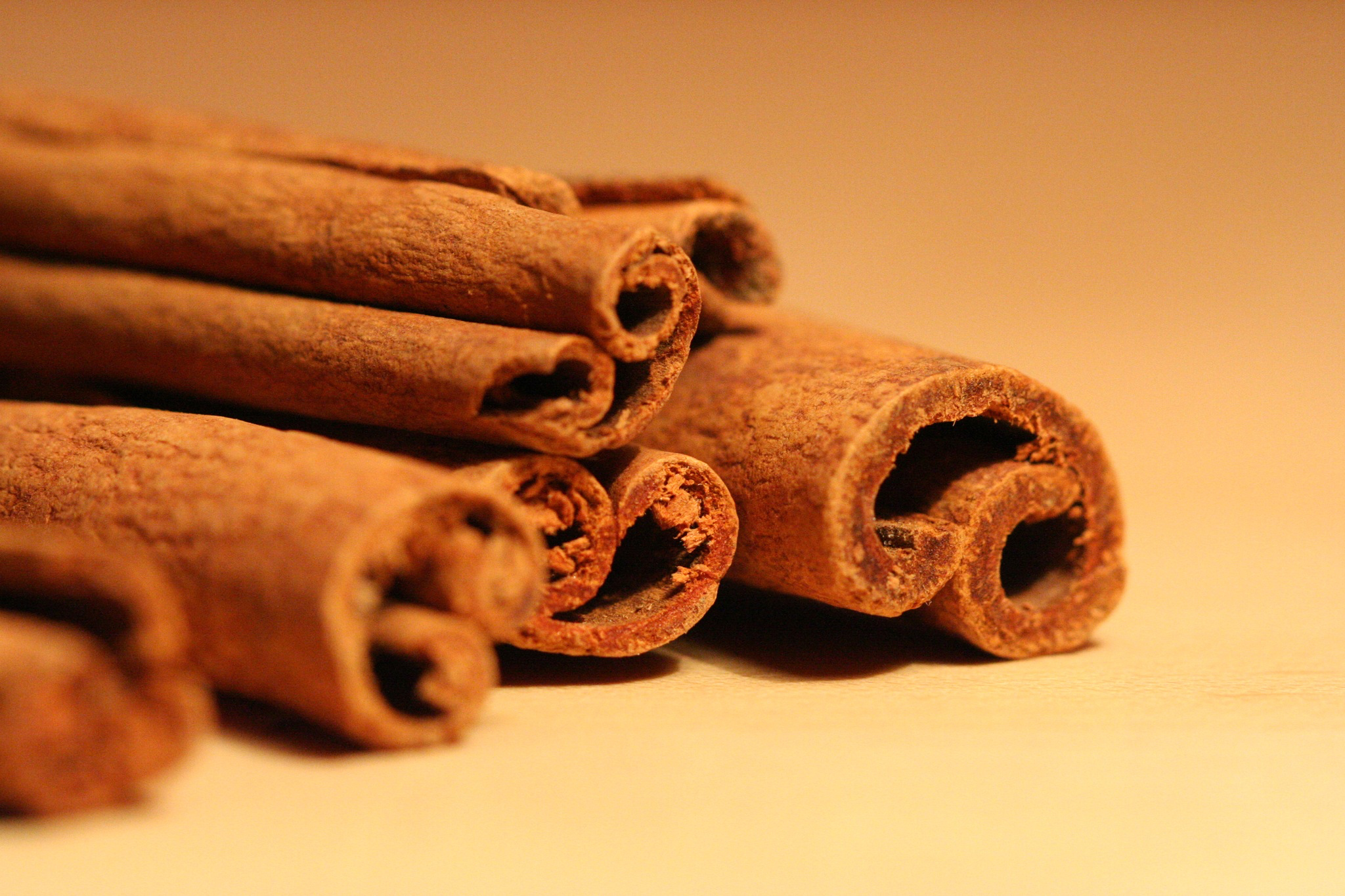
Photo by  Cinnamon Vogue

In India, Tibet and China, Sandalwood is used to protect religious carvings in temples. The best quality and most expensive comes from India. These trees are are endangered and protected by the government in one province. The oils from Australia and West India are less effective. True Sandalwood oil is complicated to make and becoming rare. The tree should be 40 years old before the oil can be extracted, and it requires up to 55 pounds of wood chips for 1 quart of oil, then distilled for six months.

Therapeutic Effect:

Sandalwood oil is excellent for treating respiratory and minor urinary tract infections. It also counteracts restlessness, anxiety and depression, and is believed to heighten eroticism. The essential oil, has a sweet, balsamic aroma that also repels insects.

In a diffuser, combine sandalwood oil with rose oil for a calming effect:

  • 5 drops sandalwood
  • 3 drops rose absolute

For skin irritations:
The oil helps heal cuts, rashes and eczema.

  • As a massage oil, mix 2 teaspoons of jojoba oil with 5 drops of sandalwood oil.

To release sexual energy:
In a diffuser combine:

  • 2 teaspoons of jojoba oil
  • 2 drops of sandalwood
  • 2 drops of jasmine absolute
  • 2 drops of rosemary oil.

To comfort the the grief stricken:
As a massage oil.

  • 5 drops of sandalwood oil
  • 3 drops of rose-otto oil
  • 2 teaspoons of jojoba oil

In a relaxing and uplifting bath:

  • Add 3 drops of the oil to your bathwater.
  • Relax in the warm water for at least 30 minutes.

To keep tissues elastic:

  • A massage with sandalwood oil mixed into sweet almond oil can help keep the tissues elastic and prevent stretch marks.
  • Be sure to check with a health care practitioner before using during pregnancy.

External application

  • For bronchitis: Add 3 drops of sandalwood oil to 1 gal. of hot water, place a towel over your head and inhale the vapor deeply through your nose and mouth.
  • For bladder inflammation: Mix 8 drops of Sandalwood oil with 4tbsp. of sweet cream, add to a bathtub half filled with water. Stay in sitz bath for 15 minutes. Be sure to rest for 30 minutes after.
  • For a hair dressing: Mix 2 drops of sandalwood oil with 2 tsp. of sweet almond or jojoba oil, you can also add both jasmine and rosemary oils.

Warning: Most essential oils are made up of alcohols, esters, ketones, hydrocarbons, phenols and acids. Sandalwood oil can be toxic if taken internally and in high doses. It can also cause inflammation of the skin and damage to kidney tissue.

References:

  • The Complete Guide To Natural Healing
Note: Consult with a Physician or certified herbologist if you are seeking medical remedies. The information is not intended as medical advice. PagansWorld.org is not liable for the misuse of the oil listed above.

Thanks for Stopping by!

Lisa

Hump Day Herbal Magic – Acacia

Wednesday, February 27th, 2013

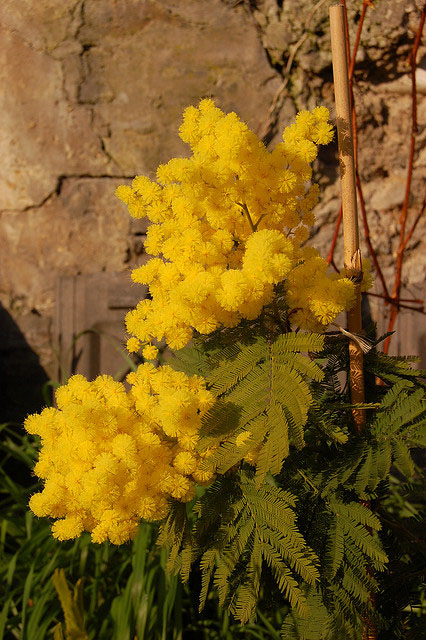
ACACIA (Acacia Senegal)

Folk Names: Cape Gum, Gum Arabic, Egyption Thorn, Kikwata, Mgunga, Mkwatia, Mokala

Powers: Cleansing, Contact the dead, Protection, Psychic Powers


Photo by Tim Waters

Acacia is native to the Sudan region in Africa, as well as Oman, Pakistan, and northwestern India. It grows to a height of 5-12m, with a trunk up to 30 cm in diameter.

The Egyptians wove their funeral wreaths with Acacia leaves, their mummies wrappings were coated with the liquid made from Acacia. Christian belief is Christ’s crown of thorns was from Acacia, and possibly the crucifix. The Bible recounts the bush of Moses was also an Acacia as well as Noah’s Ark. In honor of a departed friend, the ancient Hebrews planted a sprig. Acacia is known to stand for immortality and initiation as well as a symbol of an eternal and pure soul. In ritual the leaves are burned as incense or used to sprinkle blessed water.

Deities: Astarte. Diana. Ishtar, Osiris, Ra

Element: Air (Mental Powers, Visions, Psychic Powers, Wisdom)

Gender: Masculine

Planet: Sun (Healing, Legal Matters, Protection)

Magical & Ritual Uses:

  • Burn for altar offerings or purification.
  • To ward off evil: Place a sprig over the bed.
  • To Open the Mind to Visions: Burn the leaves on charcoal to induce spiritual phenomena and develop psychic power,  add Frankincense and Myrrh to intensify the effect.
  • For Meditation & Inspiration: Burn the leaves on charcoal.
  • Acacia is also used in money and love spells.
  • It can be used as an emblem of immortality and initiation, as a sense of resurrection.
  • To Contact the Dead: Dip the leaves in holy water and sprinkle your altar with the water, or burn it as incense to communicate with or to memorialize the dead.
  • The wood  is ideal for a sacred chest to hold ritual tools. If you can’t obtain the wood, you can use the herb to consecrate your box and sacred tools.
  • To Cleanse a Sacred Space: Burn the dried gum as incense.  The leaves or wood can be infused to create sacred water for asperging.  Acacia may be used for blessing any sacred space. (A temple, Circle or storage area and magical possessions)

References:

  • Catherine Yronwode: Hoodoo Herb and Root Magic
  • Paul Beyerl: A Compendium of Herbal Magick
  • Paul Huson: Mastering Herbalism: A Practical Gude
  • Scott Cunningham: Cunningham’s Encyclopedia of Magical Herbs
Note: Consult with a Physician or certified herbologist if you are seeking medical remedies. The information is not intended as medical advice. PagansWorld.org is not liable for the misuse of the herb listed above.

Thanks for stopping by! Well wishes to you all and have a great day!

Lisa

Medicinal Monday – Woodruff

Monday, February 25th, 2013

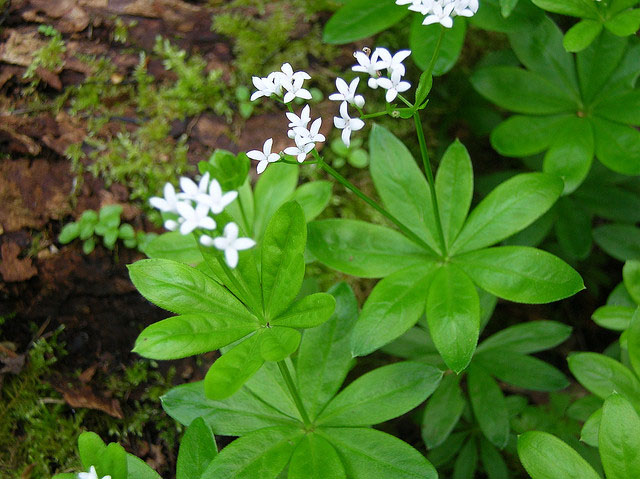
Woodruff (Galium odoratum)

Folk Names: Herb Walter, ladies in the hay, muge-de-boys,  sweet grass, waldmeister,  woodderowffe, wood-rovam, wood rowan, wuderove.

Woodruff Galium odoratum is a perennial plant from the Madder family. Native to Europe and the Middle East, it grows 4-8 inches tall.

Woodruff’s scent increases when wilting, once dried it can be used as potpourri. It used to be sewn into cotton bags and hung in closets as a moth deterrent. Mixed with white wine it is thought to strengthen the heart. (Only the above-ground portion of the plant is used) It contains coumarin glucosides that acts as an anticoagulants and can be used to counteract excessive blood clotting.

Uses:

Compress:

  • Grind herbs with a mortar and pestle, place in a warm, damp cloth, fold and apply to forehead. (Do Not let pulp touch the skin)

Healing Powder:
For Insomnia

  • Mix 1/2 tsp. of powdered Woodruff with honey or fruit puree 30 minutes before bedtime.

Tea:

  • Pour 1 cup of boiling water over 1 tsp. of dried Woodruff.
  • Steep 5 min; strain.
  • Drink 2-3 cups a day. (preferably unsweetened)

Tonic:
To strengthen the heart

  • Steep 2 tsp. of dried Woodruff in 1 cup of cold water for 8 hrs, strain.
  • Drink 1-2 cups every day.

Potpourri & Sachets

  • Make a Woodruff pillow to encourage sleep or sweeten a closet with an herb sack.
  • Display dried herbs in a bowl to add a fresh scent to a room.

Wine Punch:

  • With 1 qt. of dry, sweet white wine add no more than 3/4 tsp. of fresh, slightly wilted Woodruff.
  • Let the punch sit for a few hours.
  • Strain and serve chilled. (Woodruff is more aromatic when slightly wilted)

Folklore & History:

  • Dating back to the 14th century, Woodruff has been used to sweeten the air.
  • Medieval soldiers carried it in their helmets, they believed it promoted success in battle.
  • It is carried to attract money and prosperity, bring victory to athletes and warriors.
  • When placed in a sachet of leather it is said to guard against harm.
  • In the middle ages, it was woven into wreaths and hung in churches.

Tip: Useful as a MILD sedative and antispasmodic.

Warning: May cause internal bleeding if taken in large doses. Do not use if pregnant or taking medication for circulatory problems.

References:

  • The Complete Guide To Natural Healing

Note: Consult with a Physician or certified herbologist if you are seeking medical remedies. The information is not intended as medical advice. PagansWorld.org is not liable for the misuse of the herb listed above.

Thanks for stopping by! Well wishes to you all and have a great day!

Lisa

Hump Day Herbal Magic – VALERIAN

Wednesday, November 28th, 2012

VALERIAN (Valeriana officinalis) G

Folk Names: Ail-Heal, Amantilla, Bloody Butcher, Capon’s Trailer, Cat’s Valerian, English Valerian, Fragrant Valerian, Garden Heliotrope, Phu, Red Valerian, St. George’s Herb, Sete Wale, Set Well, Vandal Root

Powers: Love, Purification, Protection, Sleep


Photo by
pfly

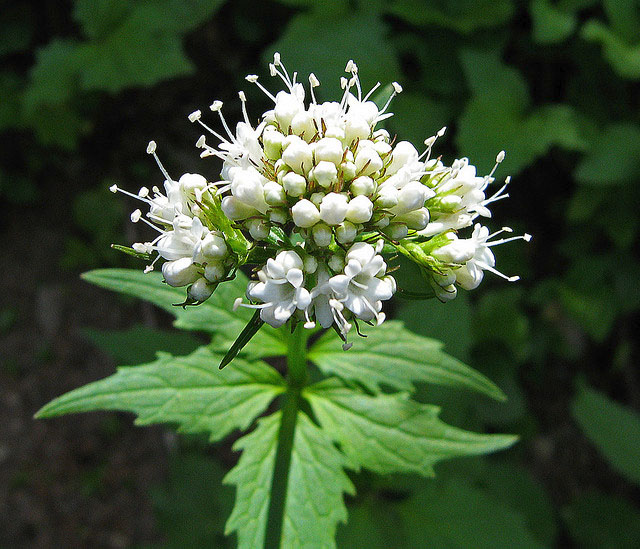
Valerian is a tall perennial with heads of sweet scented pink, blue or white flowers which bloom in the summer. Its one unpleasant quality is the the smell of the plant’s leaves, stems, and roots. However, cats and rats relish in it. Some herbalists suggest that Valerian was the secret of the legendary Pied Piper of Hamlin’s irresistible power over rats!

Deities: Aphrodite, Venus
Gender: Feminine
Element: Water (Dreams, Fidelity, Friendships, Healing, Love, Meditation, Prophetic Dreams, Purification, Sleep)
Planet: Venus (Beauty, Fidelity, Friendships, Good Fortune, Love, Money, youth)

Magical & Ritual Uses:
If you’re lucky enough to grow Valerian in your garden, Great Magic can be worked with the blooms.

  • Powdered, it is sometimes used as “graveyard dust.”
  • Use to purify your ritual space.
  • To ward off evil: Hang a sprig of Valerian under a window.
  • Guard against lightning: Hang sachets with powdered Valerian in the home.
  • As a sleep aid: Place a sachet with powdered Valerian in pillows.
  • A sprig of the plant pinned to a woman’s clothing will cause men to “follow her like children.”
  • For marital troubles: Wrap Valerian Root and a picture of you and your spouse in brown paper. Carry this for three days, then take out the root and throw it into running water. Replace it with Lovage root and keep that with the picture from there on.
  • As an uncrossing incense: Burn it alongside a reversing candle, and send the curse back to the person who crossed you.
  • To stop an unwanted visitor: Sprinkle Valerian root across your front steps, calling the person’s name, and commanding that he/she be unable to cross over. To make it more potent, add black pepper and salt.
  • For self purification: Make an elixir of Valerian to take daily (in very small doses).
  • To curse an enemy: Burn Valerian root with Black Arts Incense and a black candle, carve your enemy’s name in it with a coffin nail. Place his or her picture or name on paper face-down under the candle. Hide Valerian root in his/her car, so that they will have bad luck. (Personally, I would NEVER do this)

Medical Uses:

  • A powerful nerve stimulant and antispasmodic.
  • Sedative and pain-killer.
  • The purified extract is also used for epilepsy.

Warning: Large doses can cause headaches, vertigo, nervous agitation, muscular spasms, and hallucinations.

References:

  • Catherine Yronwode: Hoodoo Herb and Root Magic
  • Paul Beyerl: A Compendium of Herbal Magick
  • Paul Huson: Mastering Herbalism: A Practical Gude
  • Scott Cunningham: Cunningham’s Encyclopedia of Magical Herbs

Note: Consult with a Physician or certified herbologist if you are seeking medical remedies. The information is not intended as medical advice. PagansWorld.org is not liable for the misuse of the herb listed above.

Thanks for stopping by!

Lisa

Medicinal Monday – Herbs & Spices

Monday, November 26th, 2012

Dill


Photo by Fire Engine Red

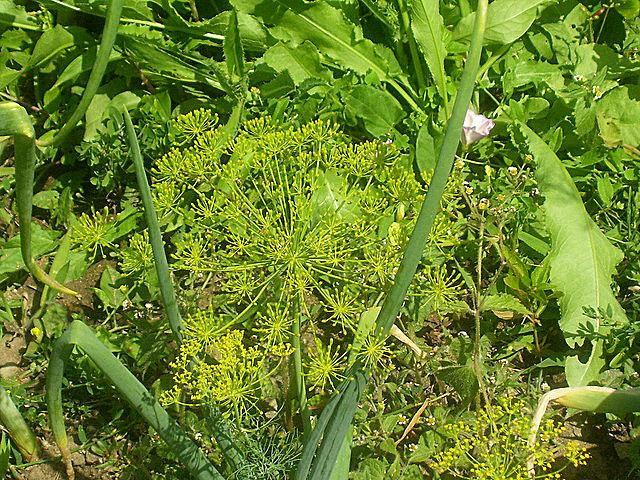
Dill is a member of the Umbelliferae family, related to carrots and parsley. It is easily spotted in the garden due to the thread-like, feathery leaves. In ancient civilizations,  Dill was so valued that it was accepted as a means of payment. Today, the leaves and the seeds are highly regarded for both medicinal and culinary appeal. Dill’s essential oils found in the seeds make it a versatile naturopathic remedy, it’s great for stomach and intestinal problems, mild insomnia, nervous ailments, flatulence and heartburn. It is also widely prescribed for many diseases of the liver and gallbladder and may be recommended to treat gastric problems in children. In the kitchen, it is a flavorful addition to many dishes and excellent for accenting fish, poultry, potatoes, cucumbers and cheese.

Components

  • Dill leaves have vitamin C, folic acid, beta-carotene and potassium.
  • The seeds have iron and calcium which provides a mild dietary fiber.
  • The curative effect of the seeds is greater then that of the leaves, due to the fact the seeds contain more essential oils.
  • The flavor comes from the oils, with a similar taste to that of fennel, spicy and a little sweet.

Therapeutic effect

  • Dill’s essential oils help calm a nervous stomach, alleviate bloating, flatulence and some liver and gall bladder ailments.
  • A great cure for intestinal bacteria that can cause diarrhea.
  • A tea mad from dill seeds helps stimulate the milk in nursing mothers and can soothe colic in babies.
  • Be sure to eat dill in moderation, excess amounts can impede kidney functioning.

For hiccups
Dill has been used as a hiccup remedy. Hiccups are caused by involuntary contractions of the diaphragm muscle. A tea made from the seeds can relax the diaphragm.

  • Pour 1 cup of boiling water over 1 tsp. of dried dill leaves.
  • Cover the cup, let the tea steep about 10-15 min.
  • Sip slowly once the infusion is cool.

For insomnia

  • Pour boiling water over 1 teaspoon of crushed dill seed and 1 teaspoon of mixture herbs, steep and strain.
  • Drink right before bedtime.

Dill butter

  • 1 tsp. finely chopped dill leaves, 4 tsp. butter, lemon juice, salt, white pepper
  • In a small bowl, cream the dill and butter.
  • Add lemon juice to taste, season with salt and white pepper.
  • It’s excellent on bread or melt over vegetables.

To promote lactation

  • 2 oz. dried dill leaves, 2 oz. anise seeds, 2 oz. alfalfa, Honey
  • Mix all the herbs is a container. Pour 1 cup of boiling water over 1 tsp. of the mixture, steep for 15 min.
  • Use honey to sweeten.
  • Drink 2-3 cups of per day.

To ease bloating
An infusion made from dill seeds is an effective remedy for bloating and stomach discomfort. It also helps promote bowel function and has a diuretic effect.

  • Combine 1 cup of water, 1 cup of wine and 2 tsp. of crushed dill seeds.
  • Boil the mixture, and then let sit for 3 hours.
  • Drink up to 2 cups per day.
  • Store no longer than 2 days.

Kitchen hints

  • Store Freshly cut dill in perforated foil pouches in the freezer for up to 4 weeks. Dill completely retains its flavor and aroma when frozen.
  • Dried dill is often used to pickle cucumbers, cabbage and other vegetables. Use to flavor steamed vegetables.
  • Dill loses much of it’s flavor in drying, it must be used in greater quantities than when fresh.
  • Excellent for making vinegar. Pour 1 qt. of white wine over 2 oz. of fresh dill, let stand for 3-4 weeks.
  • Dill is great in mayonnaise Blend some mayonnaise with dill seeds or fresh dill, add a few drop of lemon juice, black pepper and a bit of mustard.
  • The leaves and seeds can prevent bloating. They are a great addition to a cabbage dish, the dill can prevent the bloating that cabbage causes.
Tip: Dill seeds are excellent breath fresher. The essential oils disinfect the mouth, which kills the bacteria. Chew on a small amount of seeds between meals.

References:

  • The Complete Guide to Naural Healing

Note: Consult with a Physician or certified herbologist if you are seeking medical remedies. The information is not intended as medical advice. PagansWorld.org is not liable for the misuse of the herb listed above.

Thanks for stopping by!

Lisa

Hump Day Herbal Magic – Thyme

Wednesday, September 12th, 2012

Thyme (Thymus vulgaris)

Folk Names: Common Thyme, Garden

Powers: Health, Healing, Sleep, Psychic Powers, Love, Purification, Courage

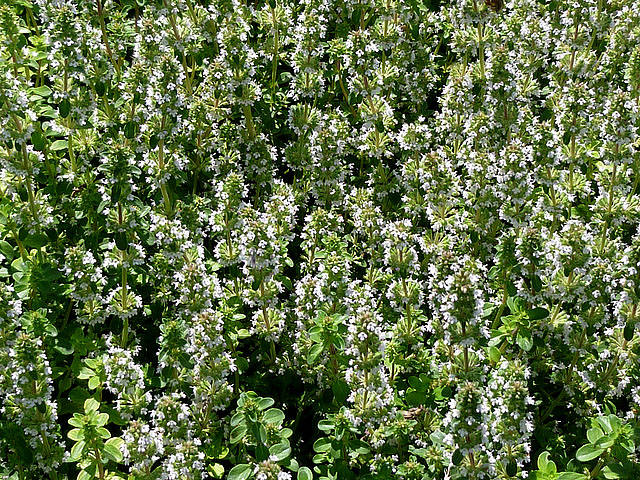
Thyme is a perennial shrub, and a member of the mint family. With over a hundred varieties, the most common being garden and lemon thyme.

The Greeks used Thyme “to make a burnt offering.”  In the Middle Ages, Europeans placed it under pillows to promote sleep and ward off nightmares. Women would also give the leaves to knights to bring courage. Thyme was also placed on coffins and burned as incense during funerals to send one into the next life.

Deities: Ares, Fairies, Mars

Gender: Feminine

Element: Water (Dreams, Fidelity, Friendships, Healing, Love, Meditation, Prophetic Dreams, Purification, Sleep)

Planet: Venus (Beauty, Fidelity, Friendships, Good Fortune, Love, Money, youth)

Magical and Ritual Uses:

  • To stop nightmares or have prophetic dreams: Place beneath your pillow, or burn on charcoal and take in the aroma. (it is also great for meditation)
  • For Money: Plant THYME in the garden. Fold a dollar bill around THYME leaves, then fold again to make a packet, tie it up, and bury it on a full moon at the middle of a crossroads.
  • Growing various types of THYME: Encourages the devas to be lively.
  • To see Fairies: Carry in a amulet or sachet.
  • Money-Protection: Combine THYME, MINT, and BAYBERRY.
  • For purification: Burn prior to a ritual to cleanse the area. In spring, make a cleansing bath composed of MARJORAM and THYME to ensure all the sorrows and ills of the past are removed.
  • THYME is also carried and smelled to give courage and energy.
  • For good health: Thyme is burned or worn in an amulet. It is excellent in healing spells.
  • It is also used to communicate with friends and relatives who have passed.  THYME can be a most useful on SAMHAIN.
References:

  • Catherine Yronwode: Hoodoo Herb and Root Magic
  • Paul Beyerl: A Compendium of Herbal Magick
  • Paul Huson: Mastering Herbalism: A Practical Guide
  • Scott Cunningham: Cunningham’s Encyclopedia of magical herbs
Note: Consult with a Physician or certified herbologist if you are seeking medical remedies. The information is not intended as medical advice. PagansWorld.org is not liable for the misuse of the herb listed above.

Thanks for stopping by!

Lisa

Medicinal Monday – Tea Tree Oil

Monday, September 10th, 2012

Tea Tree Oil


Photo by Arthur Chapman

Australian aborigines relied on the leaves of the tea tree to fight infections, it has been used for centuries as an antiseptic and anti-fungal agent. Tea tree oil comes from the leaves of Melaleuca alternifolia, a plant native to Australia. Today, it is used throughout the world at an antiseptic. Scientist have confirmed that it combats harmful bacteria and fungal infections.

What it does:

  • Used topically to treat a variety of infections.
  • Once applied, the oil makes it impossible for many disease-causing fungi to survive.
  • Studies show that it fights various bacteria, including some that are resistant to antibiotics.
  • Tea tree oil mixes readily with skin oils, allowing it to attack the infective agent quickly and actively.

Benefits:

  • Tea tree oil’s antiseptic properties are excellent for treating cuts and scrapes, as well as insect bites and stings.
  • The oil promotes healing of minor wounds, helps to prevent infection and minimizes scarring.
  • Tea tree oil fights the fungus Trichophyton, which is the main cause of athlete’s foot, jock itch and certain nail infections.
  • It can also be effective against Candida albicans and Trichomonas vaginalis, two of the organisms that cause vaginal infections.  These infections can be hard to treat, in this case, your doctor will have to prescribe a more potent antifungal medication.
  • Tea tree oil may be beneficial in the treatment of acne.
  • It is sometimes suggested as a treatment for warts. Although, studies have not confirmed this use.

Forms:

  • Oil
  • Gel
  • Cream
  • Vaginal suppository

Common Uses:

  • Disinfects cuts and scrapes
  • Minimizes scarring
  • Insect, spider bites and stings
  • Athlete’s foot
  • Fungal nail infections
  • Yeast infections
  • Dandruff
  • Acne
  • Eczema
  • Psoriasis

How to take it?

Athlete’s foot, skin wounds/irritations or nail infections:

  • Apply a drop or two of pure, undiluted tea tree oil to affected areas of the skin or nails two or three times a day.  Tea tree oil creams and lotions can also be used.

Yeast infections:

  • Insert a commercially available tea tree oil vaginal suppository every 12 hours, for up to five days.

Acne:

  • Mix 5 parts tea tree oil to 95 parts water and apply to area.

Dandruff:

  • Mix 10 drops of Tea Tree oil for every 8 oz. of shampoo.
  • Apply a few drops of Tea Tree oil directly to your scalp before you shampoo your hair. Shampoo as normal and then rinse thoroughly.

Shopping Hints:

  • There are a number of commercial shampoos, soaps and other skin-care products that contain tea tree oil, but they generally have such a small amount that that there is little or no bacteria-fighting effect.
  • When buying commercial products be sure it’s derived from Melaleuca alternifolia, as there are several types of tea tree. Oil from other species can be high in cineole content.

Warning:

  • Tea tree oil is for topical use only.  Never take tea tree oil orally.
  • Before using the oil for the first time, dab a small amount onto your inner arm with a cotton swab.
  • In undiluted form, it can irritate the eyes and mucous membranes.

References:

  • The Complete Guide to Natural Healing

Note: Consult with a Physician or certified herbologist if you are seeking medical remedies. The information is not intended as medical advice. PagansWorld.org is not liable for the misuse of the oil listed above.

Thanks for stopping by!

Lisa

Hump Day Herbal Magic – Sage

Wednesday, September 5th, 2012

Sage (Salvia officinalis)

Folk Names: Garden Sage, Red Sage, Sawge

Powers: Immortality, Longevity, Protection, Wisdom,  Wishes

“SAGE make green the winter rain, Charm the demon from my brain.”

Photo by dnnya17

SAGE is a member of the Mint family. and is closely related to MUGWORT, WORMWOOD, and SOUTHERNWOOD. Native Americans use Sagebrush for blessing, cleansing, and purification and burn it during religious and personal ceremonies.

Native sages are Artemisias, but when used for spiritual purposes the two are treated by most people as relatively interchangeable. Salvia is used by many peoples to fumigate or cense a sacred space, bringing purification and cleansing.

Deities: Cadmus, Census, Jupiter, Zeus

Gender: Masculine

Element: Air (Mental Powers, Physic Powers, Visions, Wisdom)

Planet: Jupiter (Money, Prosperity, Legal Matters, Luck, Protection)

Magical and Ritual Uses:
SAGE enhances wisdom, purifies the air, gives strength to women, and is a good addition to any reversing mojo bag or candle spell.

  • For Wisdom: Burn SAGE leaves on your altar when praying for guidance and clarity, or mix it with King Solomon Wisdom Incense as an aid to making wise decisions in career and business and family matters.
  • Add SAGE to mojo bags to impart wisdom and give the power of discernment to those who are faced with the need to make decisions in career, financial, and family matters.
  • To make a wish come true: write it on a sage leaf and hide it beneath your pillow for three nights. Once you dream of what you desire your wish will be materialized, if not, bury the sage in the ground so that no harm comes your way.
  • Utilized to ensure a long life—sometimes even immortality. Eat part of the plant every day, or in May. “He who would live for aye Must eat sage in May.”
  • Use the leaves in healing and money spells.
  • Wear a small horn filled with SAGE to ward off the evil eye.
  • SAGE may be used to purify one’s self, removing negative energy and providing a healthy attitude toward life.
  • Eat fresh SAGE leaves nine mornings in a row, timed with either a new or full Moon.
  • SAGE is excellent for the Autumn Equinox/Samhain, as well as Yule, to help remain bright when the days are at their shortest..
References:

  • Catherine Yronwode: Hoodoo Herb and Root Magic
  • Paul Beyerl: A Compendium of Herbal Magick
  • Paul Huson: Mastering Herbalism: A Practical Guide
  • Scott Cunningham: Cunningham’s Encyclopedia of magical herbs
Note: Consult with a Physician or certified herbologist if you are seeking medical remedies. The information is not intended as medical advice. PagansWorld.org is not liable for the misuse of the herb listed above.

Thanks for stopping by!

Lisa

Medicinal Monday – Black Elder

Monday, August 13th, 2012

Black Elder

Botanical Name: Sambucus Nigra


Photo by Vietnam Plants & America plants

This European plant also known as “bourtree”, has Pre-Christian documents attributing protective and healing powers to the black elder. In England, it was believed bad luck to cut its branches for fear of showing disrespect to the mother elder, who was thought to inhabit the tree.

Plant Facts:

  • It is a member of the honeysuckle family and can grow to a height of 33 ft.
  • The Elder is sweet smelling and spicy, but the somewhat bitter tasting flowers produces blackish-purple fruits with an aromatic, tart taste.
  • The stalk and branches contain a white, fluffy pulp.

Origin:

  • Native to Europe, North Africa and western and central Asia, it thrives throughout lowland forests and along roads and fences and often found in farmhouse gardens.

Parts Used:

  • The flowers and ripe berries are used medicinally.
  • Harvest as the plant begins to blossom.

Components:

  • The black elder flowers contain flavonoids, rutin, mucins and tannins and a large portion of organic acids and calcium.
  • The berries contain fruit acids, vitamins B and C and folic acid, as well as essential oils.

Indications:

  • Also described as a “complete medicine chest”, black elder induces perspiration.
  • Take in the form of a hot drink when you have a feverish cold.
  • Elder also promotes expectoration, which makes it a good treatment for coughing and bronchitis.
  • The pulps of the berry and the freshly pressed juice have a diuretic and laxative effect on the body.
  • Avoid the red berry species of elder, as it can irritate the digestive system and make you feel nauseous.

Types of Applications

Tea flowers:

  • Pour 1 cup of boiling water over 2 large tsp. of dried elder flowers.
  • Strain after 10 min.
  • Drink 1-2 cups of freshly prepared tea several times, daily.

Tea from berries:

  • Add enough cold water to cover approximately 2 large tsp. of dried elder berries and allow to stand for several minutes.
  • Slowly bring the water-berry mixture to a simmer.
  • Simmer for 10min., strain and drink.

Juice, syrup:

  • Take the stems from 2 lb. of ripe berries.
  • Squeeze the juice from the berries into a saucepan, add about 1 lb. of sugar.
  • Boil for 5 min.
  • Skim the foam from the surface, fill canning jars with the syrup and seal white hot.
  • Prepared syrup is also available from pharmacies and health food stores.
  • To prevent or to treat a cold, drink the heated juice or syrup dissolved in hot water.

Puree:

  • Boil about 1 lb. of ripe elderberries with 1 cup of water and 2 diced apples.
  • Put through a sieve and sweeten to taste.
Tip: An old folk remedy for burns is a paste made of elder and milk. Boil freshly picked, chopped flowers in enough milk to make a thick paste. Allow to cool and apply to the affected part of the skin.

References:

  • The Complete Guide to Natural Healing

Note: Consult with a Physician or certified herbologist if you are seeking medical remedies. The information is not intended as medical advice. PagansWorld.org is not liable for the misuse of the herb listed above.

Thanks for stopping by! Well wishes to you all, have a great day!

Lisa

Medicinal Monday – St. John’s Wort

Monday, August 6th, 2012

St. John’s Wort

Botanical Name: Hypericum perforatum


Photo by Hunda

St. John’s Wort is native to the United States and Europe, and is a perennial plant that grows beside country paths and on sunny edges of woodlands. The use dates back to the ancient Greeks, Hippocrates recorded the medical use of St. John’s wort flowers. It was given its name because it blooms around June 24th, the birthday of John the Baptist. The medicinal benefits of the plant stem from a high concentration of hypericin, a red pigment that exudes from the flowers, and from pseudohypercin. Hypercin is thought to be responsible for the known antidepressant effect of St. John’s Wort. In addition, the plant has antibiotic and antiviral capabilities and has long been used to help heal wounds.

Characteristics:

  • Its small, bright yellow flowers consist of five petals with long, feathery stamens at the center. The slender, oval leaves grow in opposite pairs. If held up to the light, the leaves often appear to be perforated

Uses:

  • The fresh flowers can be used to make an oil that has proved particularly curative for skin problems, bruises and rheumatic ailments.
  • St. John’s wort extracts improves mood, and decreases anxiety and insomnia related to depression.
  • Some research shows that a combination of St. John’s wort, plus black cohosh can help improve menopausal symptoms.
  • It may also decrease alcohol intake. The constituent hyperforin, has been said to decrease alcohol consumption.
  • When the oil is rubbed onto the belly and breasts during pregnancy it can help prevent stretch marks, and is useful to treat hemorrhoids and aching, swollen veins that can occur during pregnancy.
  • The aerial parts of the plant can be cut and dried for use in herbal tea.

Gardening tips:

  • Plant in a sunny, warm location, but will grow in partial shade.
  • Likes well drained soil, not too moist, with high humus content.
  • Depending on water and nutrients it will reach a height of 2-3 ft.
  • Harvest between June and august, traditionally around June 24, near the time of the summer solstice.
  • The summer solstice can be a magical day. St. John’s Wort can be used to ward off fears, ghosts and nightmares; it is also known as the  ”witches herb”.

Care:

  • Fertilize St. John’s wort with compost in the spring and feed it with organic fertilizer as necessary.
  • It does not thrive in waterlogged soil, but tolerates dryness well.
  • Cut back the stems to just above ground level in the fall.

Harvesting and processing:

  • You can harvest from June to August, the fresh plant contains the highest active constituent contents at the end of June.
  • For tea, gather the upper non-woody parts and hang them in a dark place with the flower heads down.
  • Use only the flowers to make herb oil.
Tip : St. John’s wort can be identified by pinching the leaves or flowers, which will turn red due to the release of hypericin. The red pigment was said to represent the blood of St. John the Baptist.

References:

  • The Complete Guide to Natural Healing

Note: Consult with a Physician or certified herbologist if you are seeking medical remedies. The information is not intended as medical advice. PagansWorld.org is not liable for the misuse of the herb listed above.

Thanks for stopping by! Well wishes to you all, have a great day!

Lisa